
Did you know that your body gives you silent signals about its reduced ability to absorb sugars A FEW YEARS BEFORE THE ONSET OF DIABETES?
Did you also know that if you carefully pay attention to these signals and adjust your habits you can PREVENT THE ONSET OF DIABETES?
When we’re younger, our bodies can handle almost anything we consume, digesting food as it should. However, as we age, our ability to process and absorb food slows down, contributing to the onset of various diseases and conditions, including type 2 diabetes.
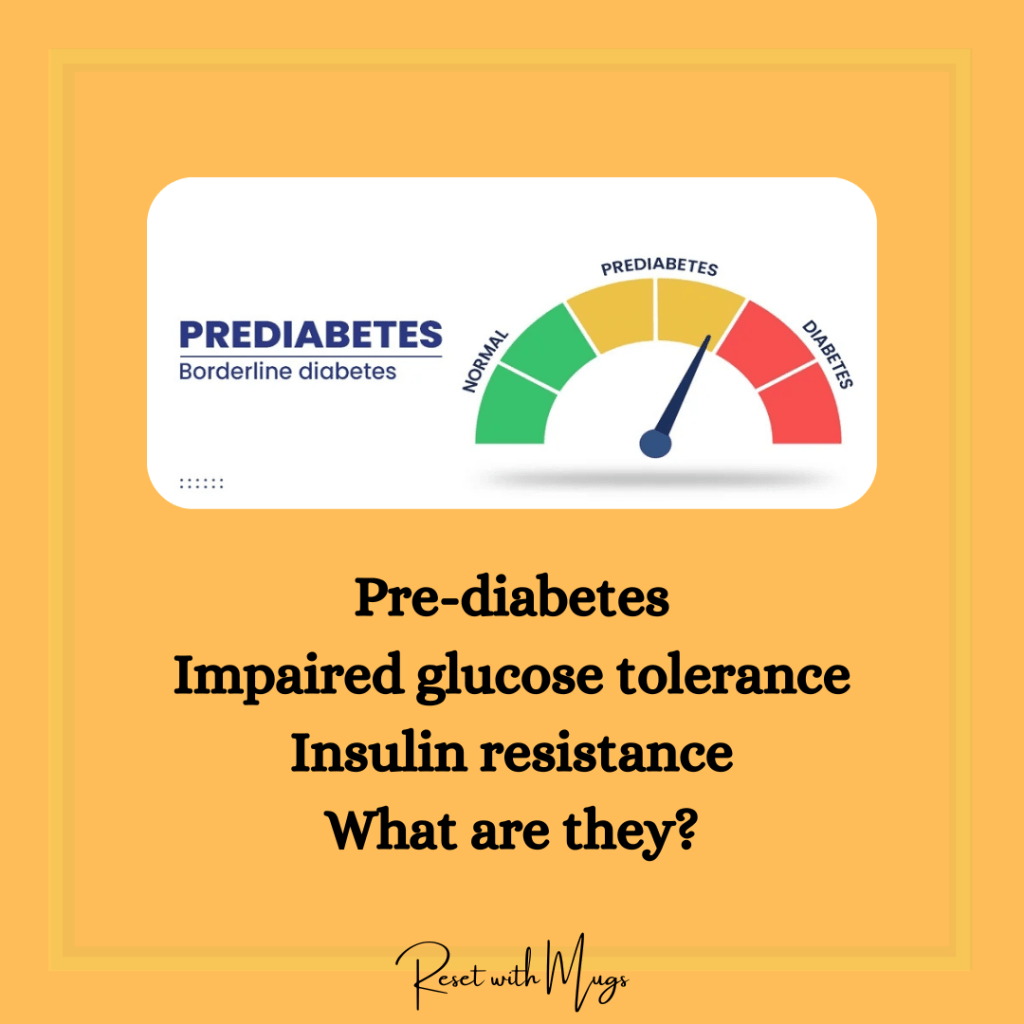
Before diabetes fully develops, there is a stage where your body is still processing food properly, though more slowly than before. During this time, you’ll notice frequent sugar spikes, but not enough to be diagnosed with diabetes. This stage is called Impaired Glucose Tolerance, or the pre-diabetic stage, and it typically occurs a few years before full-blown diabetes.
Impaired glucose tolerance is a sign of insulin resistance, where your body struggles to recognize insulin. In response, your body produces higher levels of insulin to help the cells absorb glucose. (For context, think of insulin as a key that unlocks cells, allowing glucose to enter and be used.) This means your body is struggling to handle the carbohydrates you consume, causing sugar to stay in the bloodstream longer, but not at levels high enough to be diagnosed as diabetes yet.
The main causes of impaired glucose tolerance are:
- Inactivity: When you move less, your muscles become inactive and don’t have the need to absorb glucose from the blood.
- Imbalanced meals: Eating more carbohydrates than your body actually needs can lead to excess sugar in the bloodstream.
- Obesity: This often results from poor eating habits and regular consumption of processed foods.
How do we know if we have insulin resistance? If you feel sudden bouts of hunger, fatigued even after a good meal, noticeable increase in water intake, your body might be struggling to manage insulin levels. HOMA-IR test can be taken up to know if you are insulin resistant or not. HbA1c test is used to check where you fall on the scale of diabetes. Both these tests are recommended for people with metabolic disorders or a history of diabetes.
At this stage, it is possible to prevent diabetes from developing by changing your eating habits!
You need to balance your macros! (Check my older articles to learn how.) Consuming timely meals and a good amount of protein, fiber, and healthy fats before eating carbohydrates helps slow the digestion of carbs, leading to a gradual rise in blood glucose rather than sudden spikes.
In addition to dietary changes, physical activity is crucial. Exercise is important, but everyday activities like walking and household chores also help. The more you move, the more effectively your cells can absorb glucose.
The solution to preventing diabetes is actually very simple.
Are you willing to try it?


Leave a comment