
If you are someone –
- who feels bloated upon consuming certain foods
- you feel like food has not gone down your food pipe completely
- who feels like puking/experience heartburn after a meal
- you rarely feel hungry at meal times but when you do you can barely eat a small meal
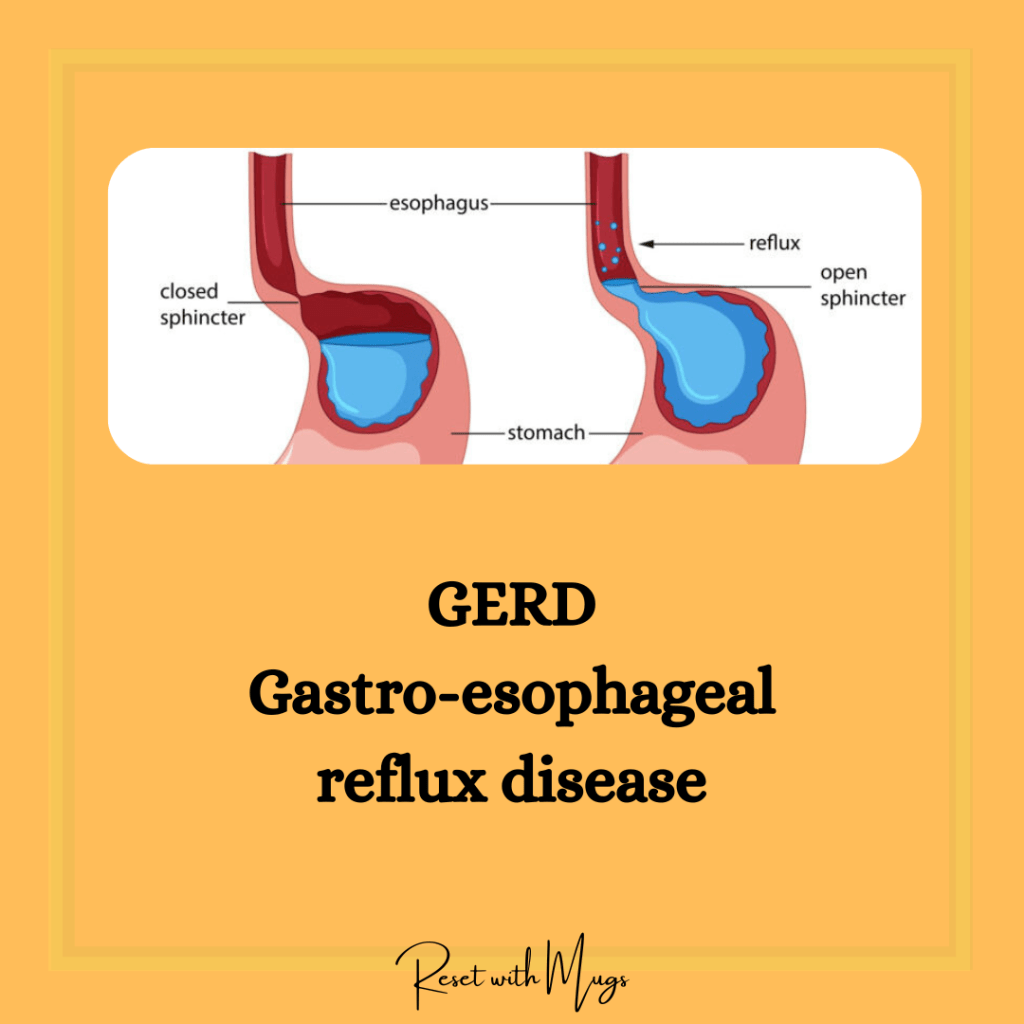
You might be experiencing GERD, or gastro-oesophageal reflux disease. This is a physiological condition where in the contents of your stomach tend to FLOW BACK into the oesophagus.
In simple words, there is a lid that acts as a barrier in between your stomach and oesophagus which is called lower oesophageal sphincter. For people with GERD, this lid does not close properly. This happens because either the sphincter relaxes at the wrong time or, the sphincter is weak.
Although this might seem like a small problem that can go away with an antacid, it is a problem nevertheless which might aggravate over time to cause serious damage to your oesophagus. This condition also greatly affects the quality of a person’s life because they genuinely do not feel good because they barely feel like eating. Adding to this, certain medical conditions like obesity and pregnancy can aggravate the already existing issue.
Some symptoms of GERD include –
- heartburn
- bloating
- regurgitation
- chest pain
- ulcers
- sore throat
- difficulty swallowing
- breathlessness
Just like many medical conditions I have discussed previously, tweaking your diet to suit your body and changing some of your daily habits can bring a difference to your quality of life and allow you to enjoy meals like everyone else.
- Make a list of food triggers and avoid them on a daily basis (raw vegetables, fried foods, etc.)
- Avoid having large meals; it will prevent overloading your stomach and in turn prevent reflux
- Stay upright after every meal; this allows your food to settle in your stomach
- Eat 2- 3 hours before bedtime
- Avoid strenuous activity after a meal
- Avoid tight clothing around the belly region
- Eat slowly!
While every person has their own list of foods which trigger symptoms there are some foods which also help prevent or atleast alleviate symptoms like – leafy greens, ginger, whole grains, root vegetables (carrot, sweet potato), cold milk, apple cider vinegar, etc. Some alkaline foods like banana, nuts, melon, fenner seeds, etc., also help. GERD affects not only your physical health but also your emotional well being. Popping antacids definiftely help with symptoms however popping pills is not a permanent solution. Consciously transforming your habits might just be the long term solution you are looking for!


Leave a comment