
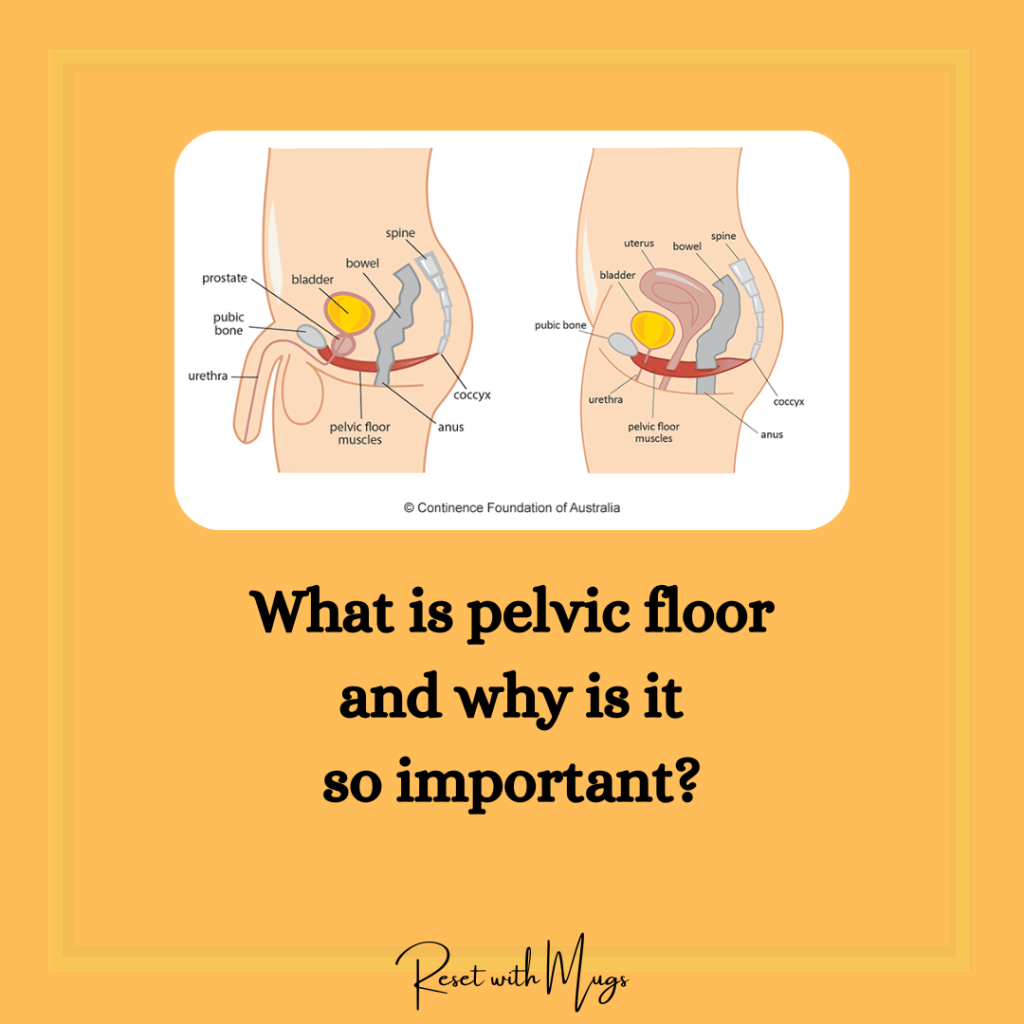
We have seen pictures of a hammock tied between two trees in the Andaman or Maldives right? Your pelvic floor looks exactly like that.
Pelvic floor is a group of muscles that spans the bottom of your pelvis like a hammock between the tail bone of your back and the pubic bone in the front. It is a muscular base which supports all the pelvic organs like the bladder, bowels and uterus.
- This muscle support prevents a prolapse – the uterus, your bladder or your bowels do not fall out of you!
- Continence – helps you to control pee!
- Sexual function – ensures blood flow to reproductive organs and also enhances the feeling of pleasure in both men and women
- Helps pump blood and lymph back to the heart
- Core and lower spine stability – a strong pelvic floor prevents lower back issues, helps maintain intra-abdominal pressure which keeps all the internal organs in place
However there are many instances which contribute to weakening the pelvic floor:
- Pregnancy and childbirth – carrying additional weight and added pressure during childbirth Obesity – fat deposits causing extra weight on the body has the same effect
- Painful periods – extensive cramping of the uterus weakens these muscles over time
- Constipation – straining to poop adds a lot of pressure and weakens the muscles
- Constant cough – you strain the abdomen area when you cough repeatedly thus weakening the pelvic floor
A weakened pelvic floor leads to problems like bladder or bowel incontinence, prolapse, diastasis recti (hanging belly after pregnancy) and subsequent hernia, lower back pain, etc. It is essential to keep your pelvic floor strong as you age to prevent these issues. So keep in mind to include core and pelvic floor strengthening movements in your exercise regimen like
- diaphragmmatic breathing
- kegels
- glute bridge
- hip thrusts
- side plank
- happy baby pose
- butterfly flutters
- deep squat
- cat cow
- hip 90/90s
- clamshells
- squats and many more!


Leave a comment