
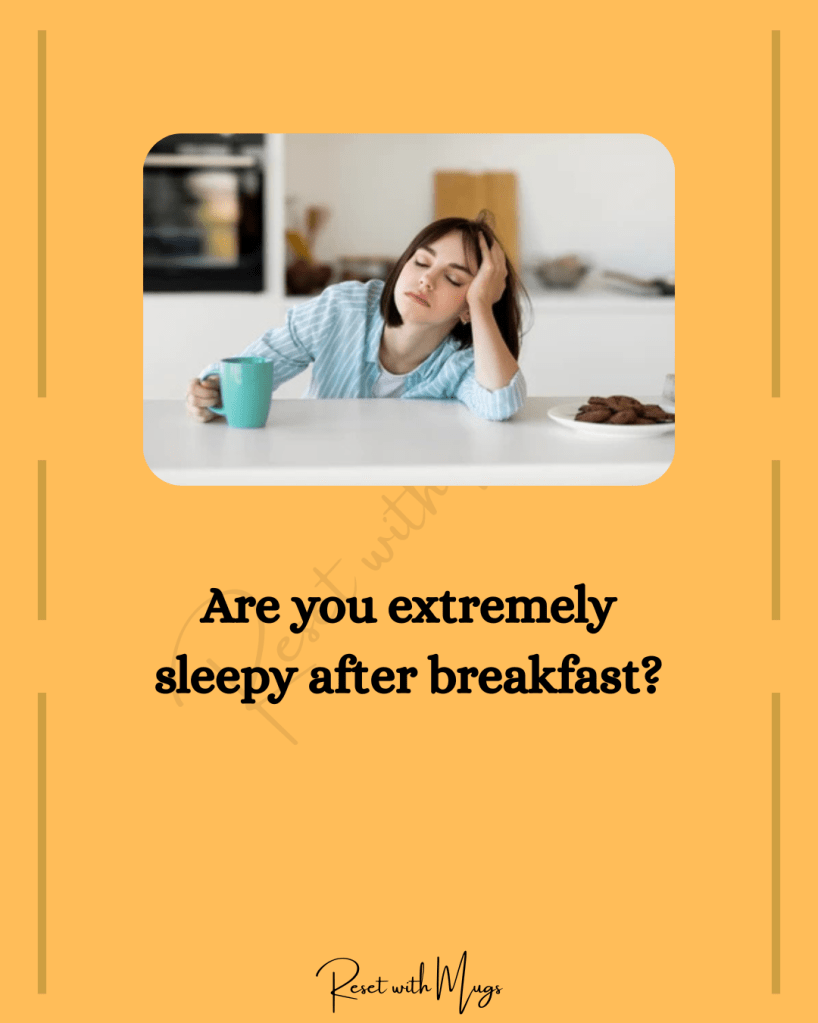
It is a Sunday; you’ve woken up late after a late night of movie marathon and tubs of popcorn. You end up having breakfast or even brunch around midday which is most probably a very big meal because you are famished and just want to stuff your face with comfort food. What happens soon after? You feel sluggish and sleepy, attribute it to lack of sleep the previous night. Since it is Sunday anyway, you take that big nap till late afternoon to compensate sleep but wake up feeling groggy. By the time you even have lunch, you realize Sunday is over and pre-Monday blues hit in full force.
But here’s the thing. That sluggish feeling is not only due to lack of sleep and it does not happen only on Sunday. You feel it almost everyday mid morning and late afternoon which is biological and subconsciously rely on that cup of tea or coffee to wake you up. You just tend to give into the need for a nap during weekends, that’s all.
Postprandial somnolence is what it’s called technically. This usually happens when you eat –
- A very large / calorie rich meal (digesting that much food requires a lot of energy)
- A carb heavy meal ( there is a rapid spike and fall of sugar causing a drastic dip in energy levels)
And yes—poor sleep at night adds to the fog. But the point is, why do you want to feel the slump when you can feel active and be more productive with small changes in your eating habits?
- Make your breakfast rich in protein and fibre while balancing carbohydrate and good fats. You can include pulses, paneer, a small spoon of ghee and a combination of seeds and nuts to have a balanced breakfast plate
- Have a smaller meal so that all your energy reserves are not diverted to just digesting food
- Take a walk post your breakfast. It really helps beat drowsiness
- Your night sleep matters too. Ensure to get enough sleep so you wake up fresh!
This way, you don’t just fight the slump—you stay active, productive, and actually get to enjoy your Sunday.


Leave a comment